


Ready Respectful Safe
‘To be the best version of ourselves, enjoying life in all its fullness’
World Views, Inclusion and Diversity
Trust RE Policy
School RE Procedure
At Kingshill, we follow Understanding Christianity, ensuring that over 50% of our lessons focus on Christianity.
World Views
As a Church school, Christianity is at the heart of our Religious Education curriculum, with over 50% of learning focused on developing a deep understanding of Christian beliefs, teachings and practices. Alongside this, pupils study a range of other world views, including Judaism and at least one additional faith each year.
This balanced approach enables children to build secure knowledge of Christianity while also broadening their awareness of the diverse faiths and beliefs present in modern Britain. Pupils are encouraged to explore both the similarities and differences between religions, fostering curiosity, respect and thoughtful reflection.
Through high-quality teaching and discussion, our pupils develop religious literacy, deepen their understanding of the world around them and grow as respectful, informed members of an inclusive community.
Inclusion
Our Christian vision is rooted in the belief that every person is uniquely created and deeply valued by God. This belief underpins our unwavering commitment to inclusion, dignity and respect for all members of our community. We strive to ensure that every child and adult feels welcomed, safe and able to flourish, regardless of background, ability, faith or need.
Through our values, curriculum and daily interactions, we actively promote fairness, compassion and belonging. Our inclusive practices and supportive culture help remove barriers to learning and participation, ensuring that everyone is treated with dignity and given the opportunity to achieve their full potential within our caring Christian community.
Our Religious Education lessons are inclusive and reflective, with a strong emphasis on discussion, thoughtful questioning and deep understanding. We create a safe, respectful environment where all children feel welcome to share their ideas and learn from one another.
To enrich learning further, pupils visit the church several times each year. These visits provide valuable first-hand experiences, allowing children to explore Christian practices and traditions in context. Through these opportunities, pupils learn about church architecture, baptism, Holy Week and other key aspects of Christian life, helping to bring their classroom learning to life and deepen their understanding.
Diversity
To enrich our understanding of faiths beyond Christianity, our Religious Education curriculum is carefully planned so that the whole school explores the same world faith at the same time. This shared focus strengthens whole-school dialogue, builds collective knowledge and supports our increasingly diverse community, including our growing number of pupils from Muslim backgrounds.
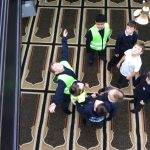
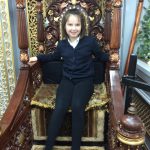
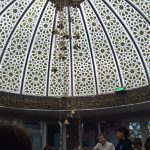
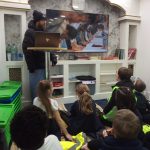
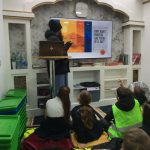
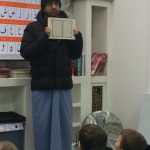
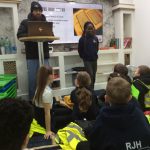
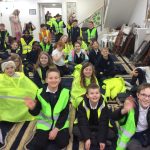
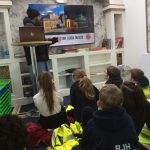
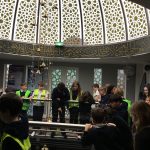
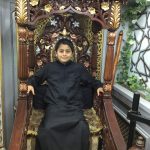
This year’s learning about Islam culminated in a Key Stage 2 visit to Easton Mosque in Bristol, providing a valuable first-hand experience of Islamic worship and community life. During the visit, pupils explored the mosque’s architecture, spoke with the Imam and consolidated their classroom learning. The experience helped deepen understanding, challenge misconceptions and strengthen respect for the beliefs and lived experiences of children within our own school community.

Mental Health
As a small school, we pride ourselves on knowing every child as an individual. This close, nurturing environment enables us to respond quickly and sensitively to pupils’ emotional needs and to provide strong support for positive mental health and wellbeing.
We are committed to supporting the mental health and wellbeing of all our pupils. Children who need additional support can access our Mental Health Support Team (MHST) practitioner, who is in school weekly to work with individuals, families and small groups, including providing targeted support during key transition periods.
The practitioner also contributes to whole-school wellbeing by leading assemblies and awareness activities. Each year, we actively promote positive mental health through events such as Children’s Mental Health Week and Dare to be Different Day, helping to reduce stigma and encourage open conversation.
In addition, we follow the NSPCC Speak Out Stay Safe programme, equipping pupils with the knowledge and confidence to recognise worries, understand how to seek help and know that their voices matter. Together, these approaches help create a supportive, inclusive environment where every child feels safe, valued and able to thrive.
Pupil voice is a key strength of our provision. Communication such as “I Wish My Adult Knew” give children a safe and meaningful way to share worries, celebrate successes and ask for help. Together, these approaches help us create a caring, responsive school community where every child feels heard, supported and able to thrive.
Spiritual, Moral, Social and Cultural (SMSC) and British Values